Structural Strengthening
A structural retrofitting project begins with the remodeling of the load-bearing system in structural analysis software such as SAP2000 or ideCAD, in light of the geotechnical investigation and performance analysis data. After identifying the deficiencies of the existing system, linear or non-linear analyses are repeated with the new elements to be added to the structure to determine the optimum intervention.
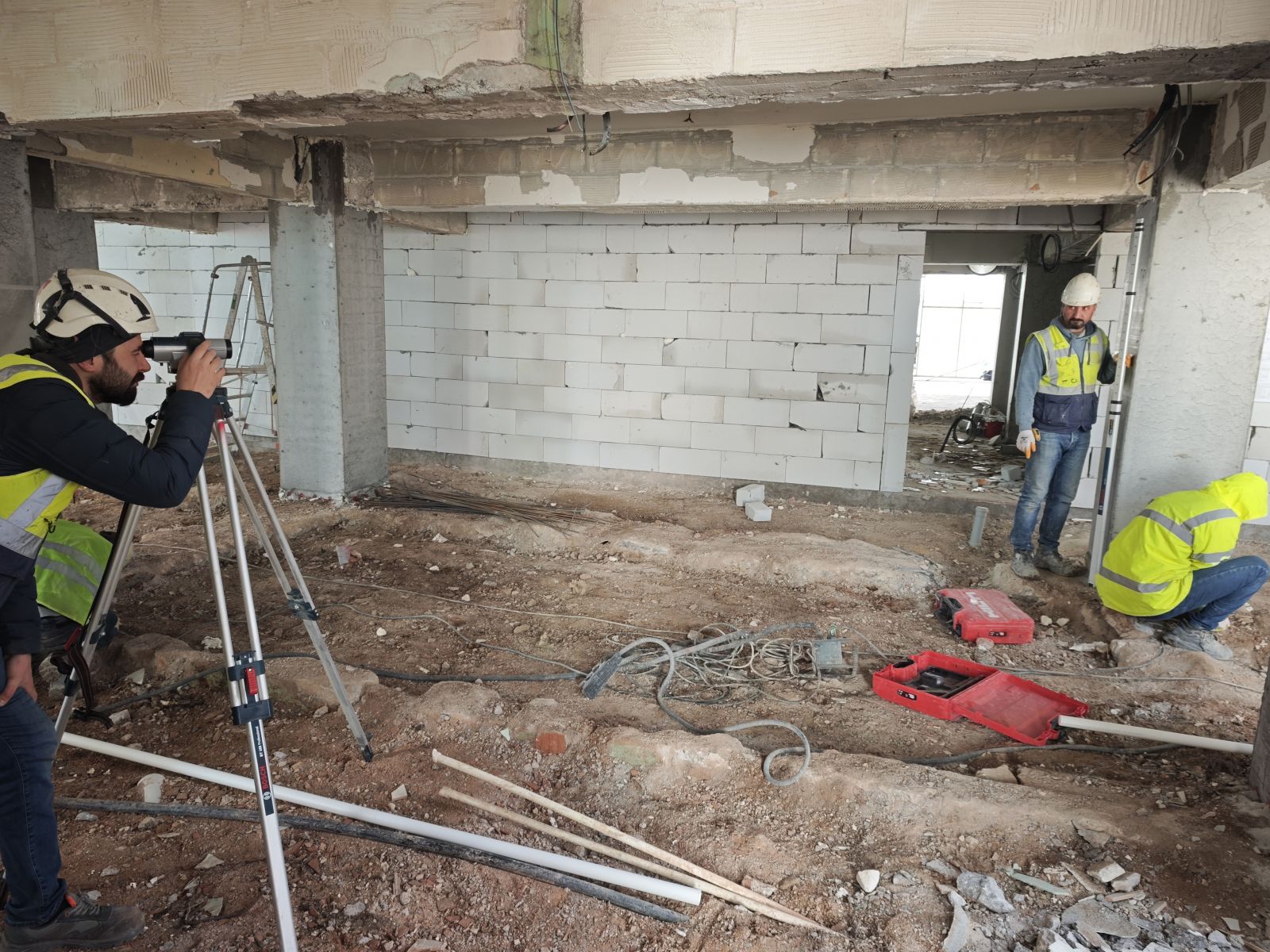
Once the retrofitting decision is finalized, the procedures to be applied on-site involve specific steps depending on the chosen method. The field application stages of the three main requested retrofitting methods are as follows:
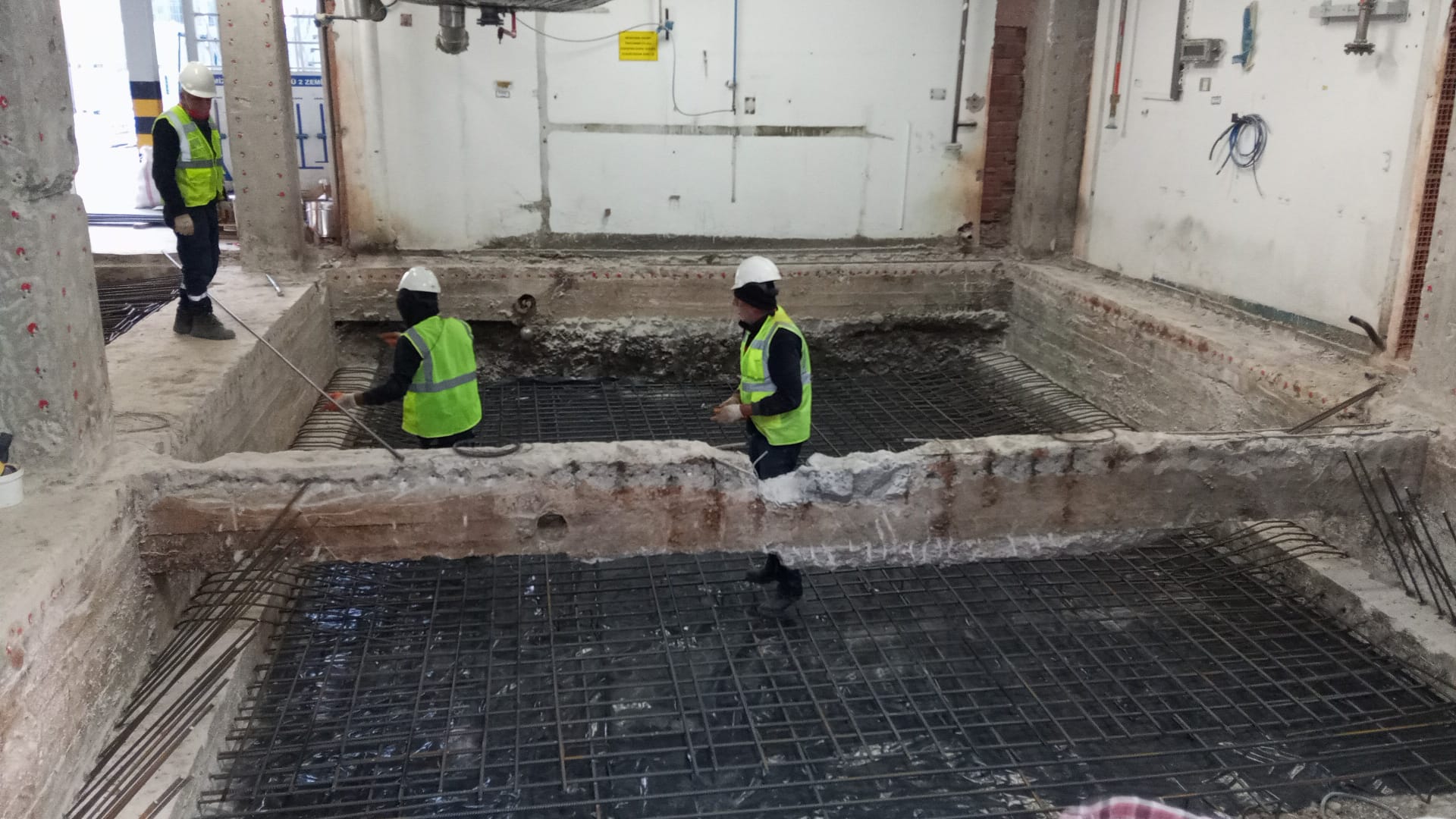
1. Reinforced Concrete Jacketing
It is the traditional method that most increases the lateral stiffness and axial load-carrying capacity of the structure, but it introduces significant additional weight to the building.
-
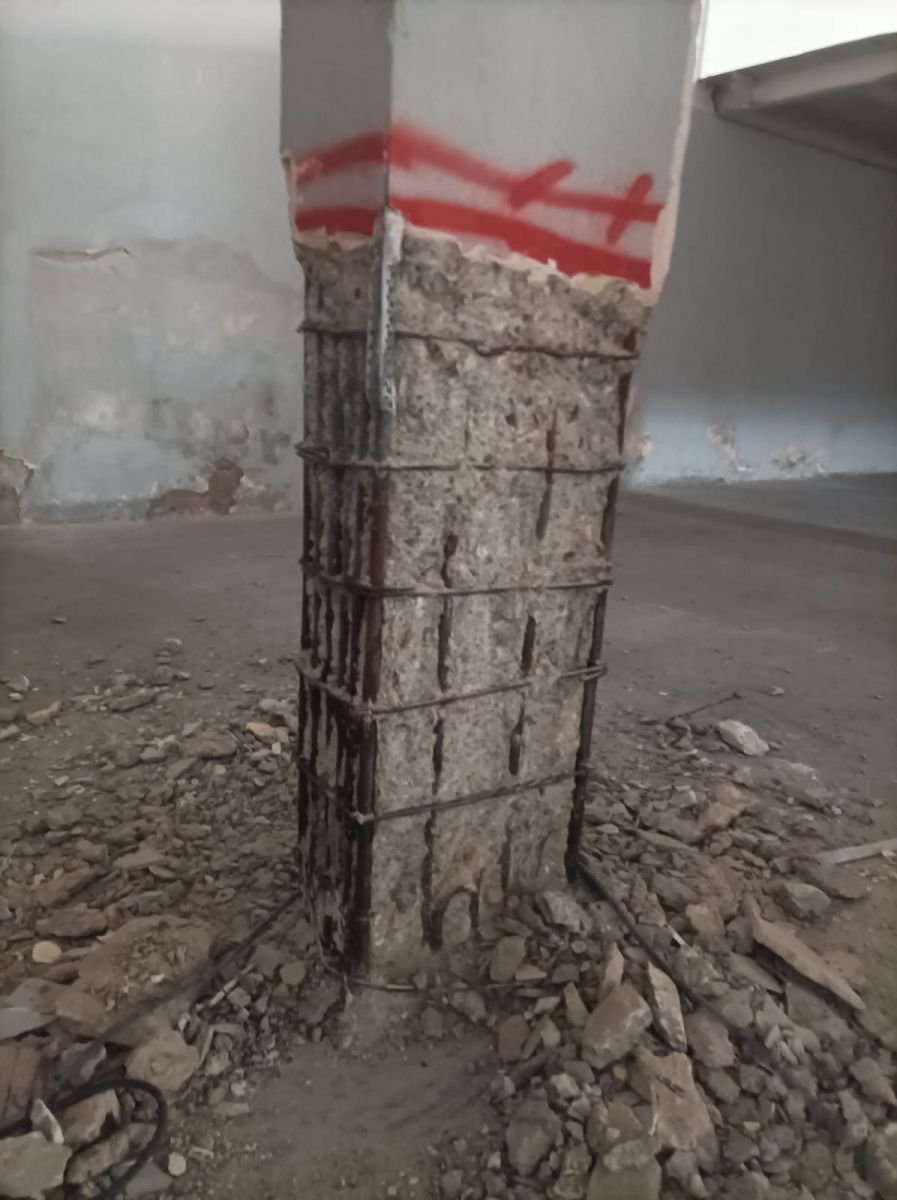
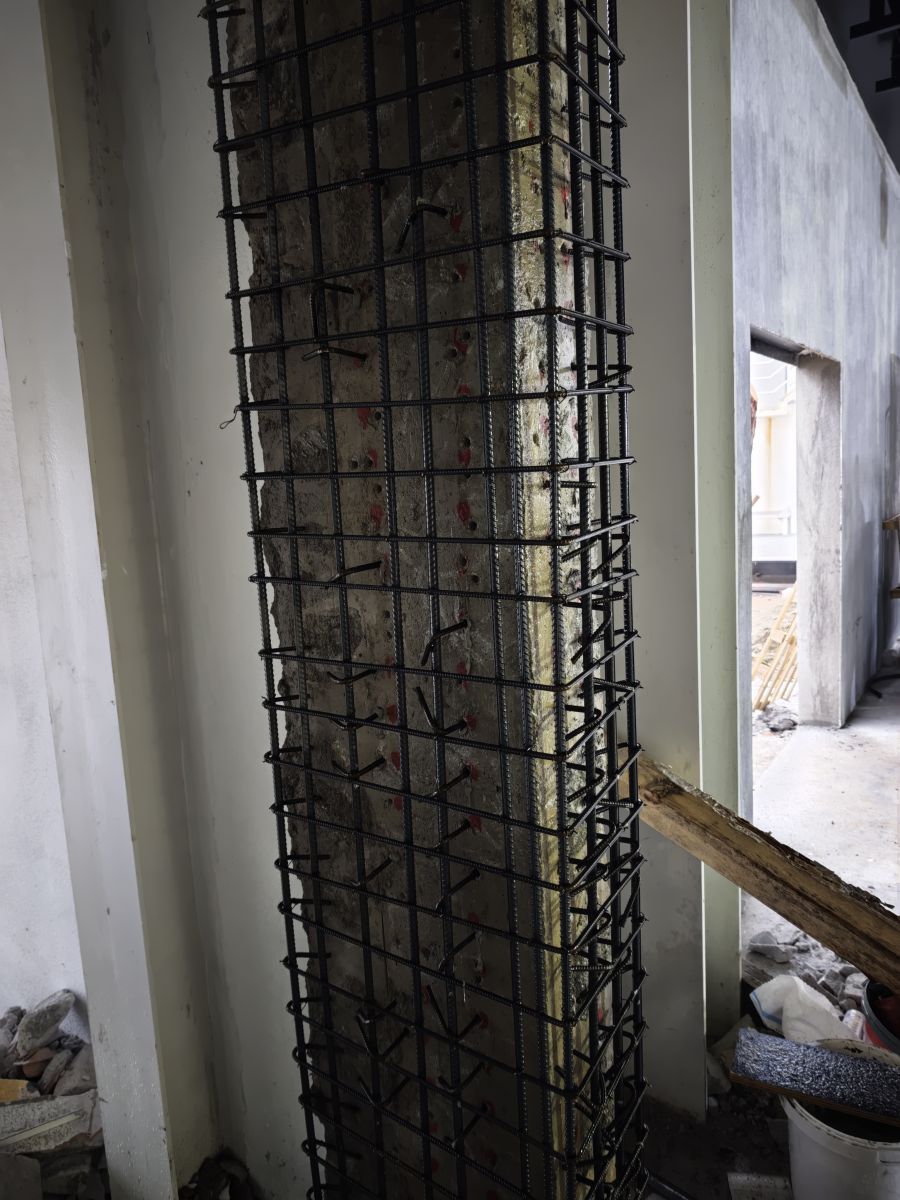
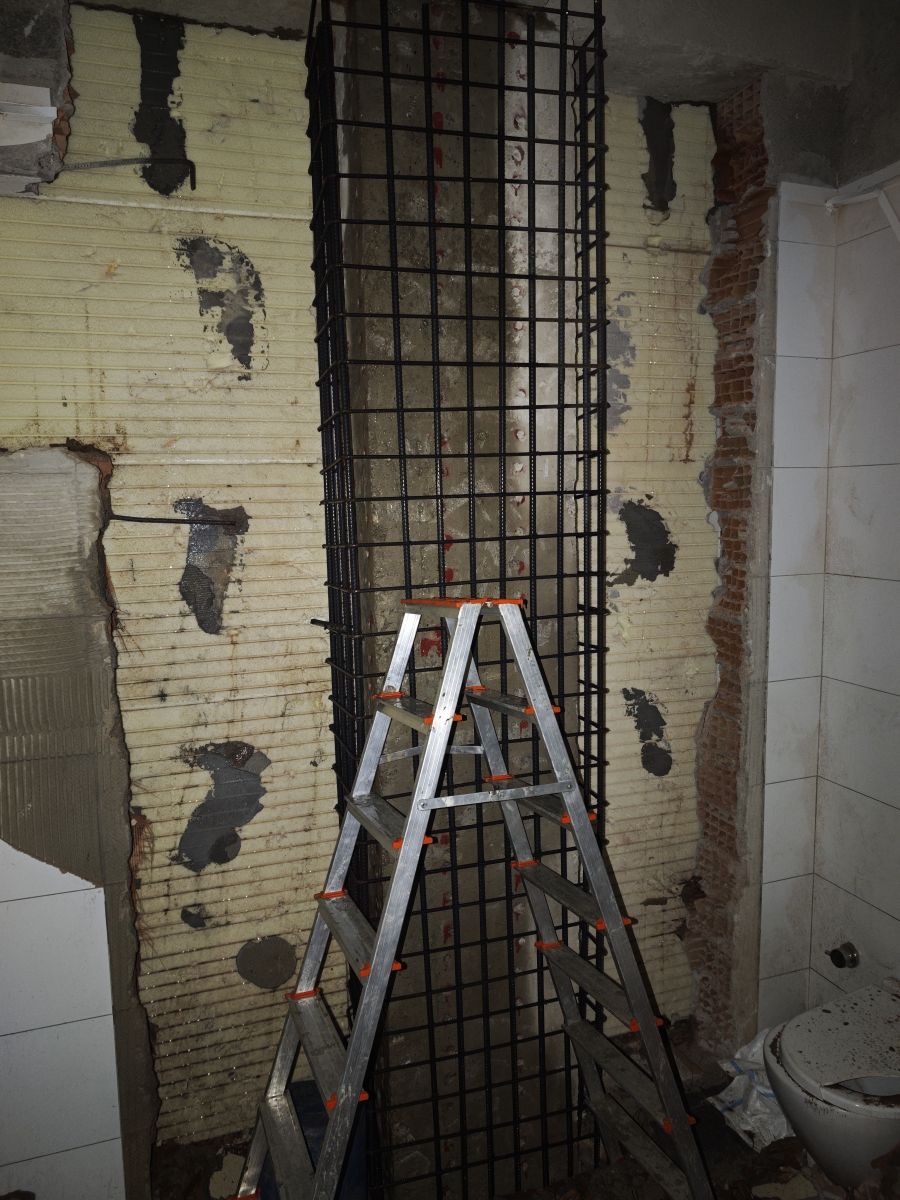
Surface Preparation and Chipping: The plaster and concrete cover around the existing column or shear wall to be retrofitted are removed. The concrete surface is roughened using mechanical methods to ensure adhesion with the newly poured concrete.
-
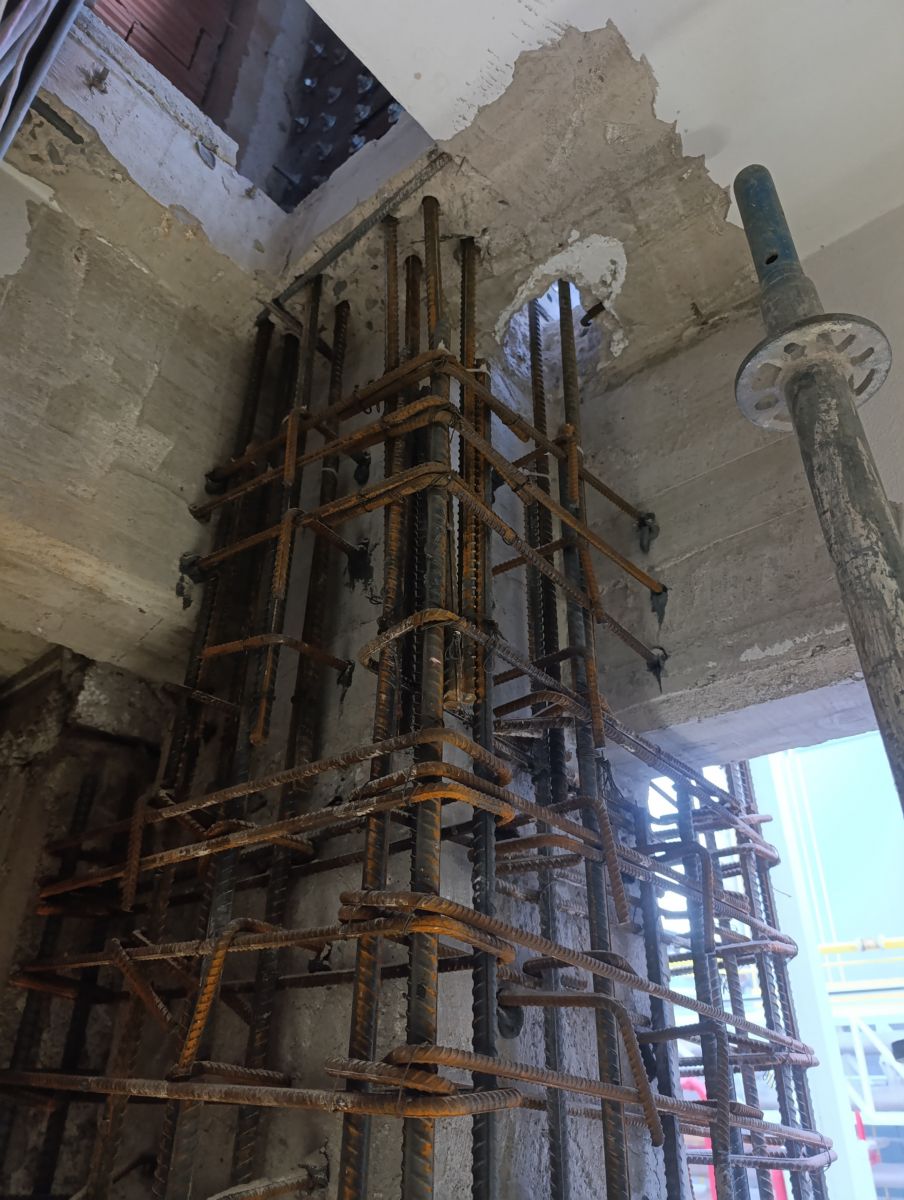
Anchorage (Rebar Doweling): Holes are drilled in the existing foundation, beams, or floor slabs where the new longitudinal reinforcement will pass. After the insides of the holes are cleaned with compressed air, epoxy resin is injected, and the new rebar dowels are inserted and secured into these holes.
-
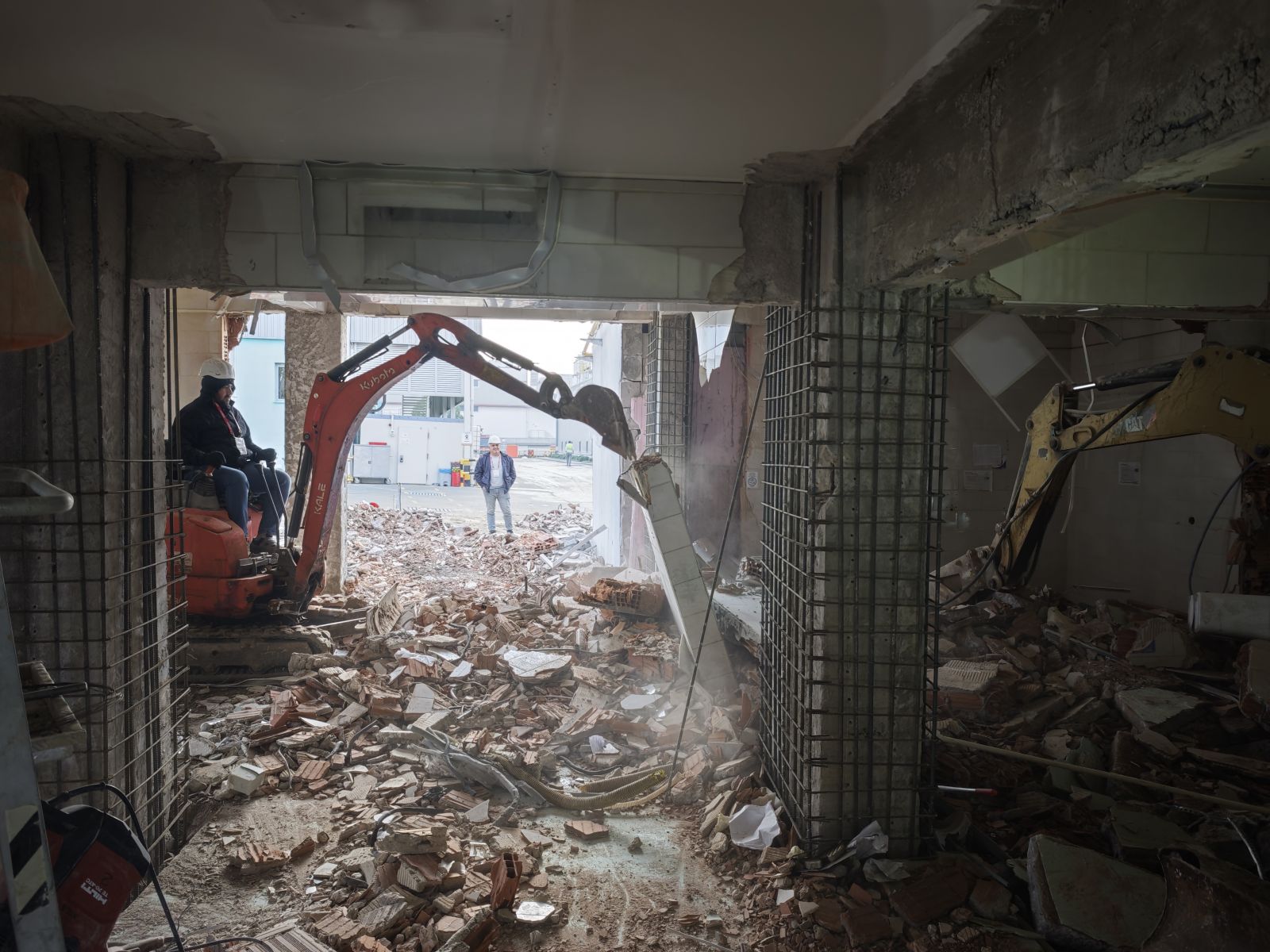
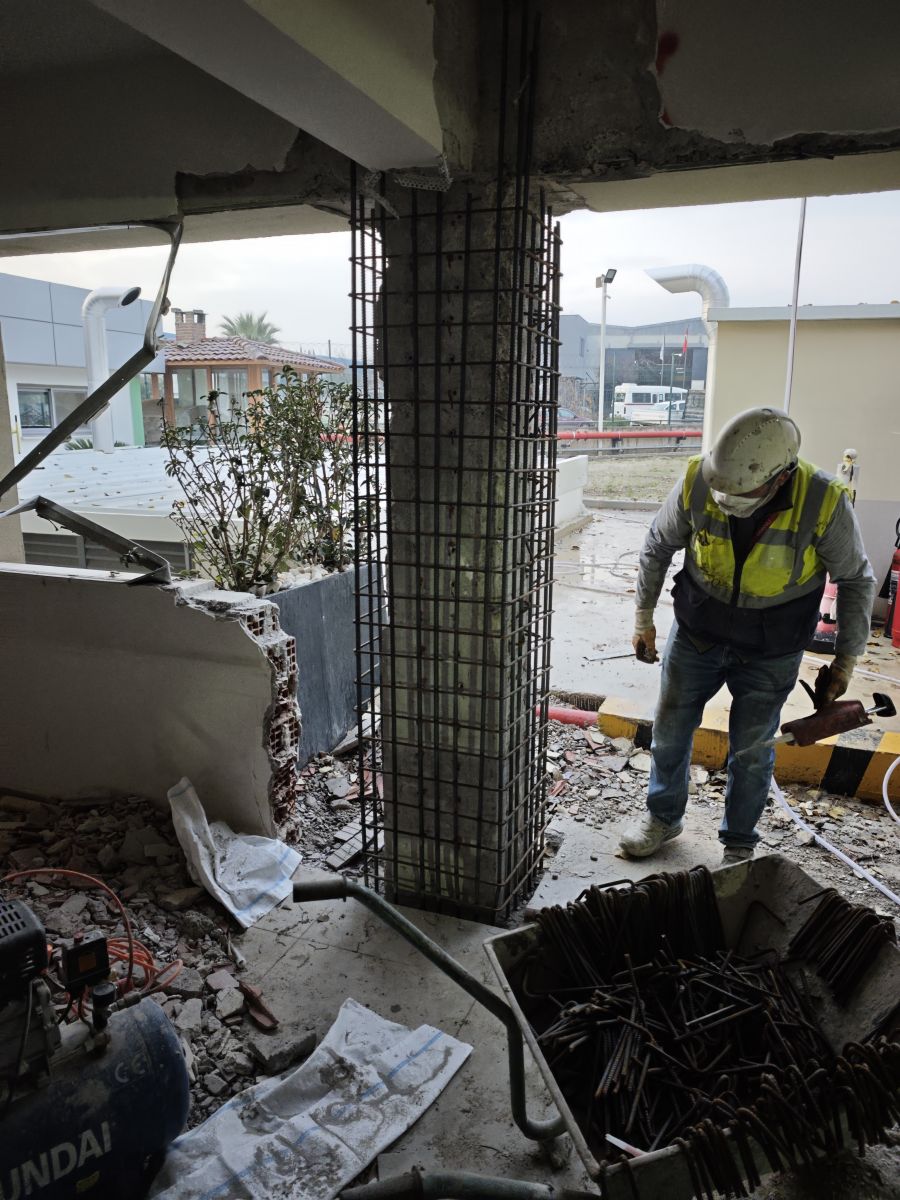
Reinforcement Assembly: New longitudinal rebars of S420 or the grade specified in the project are spliced to the dowels. The existing column is wrapped with new stirrups at confinement spacing in accordance with the earthquake code.
-
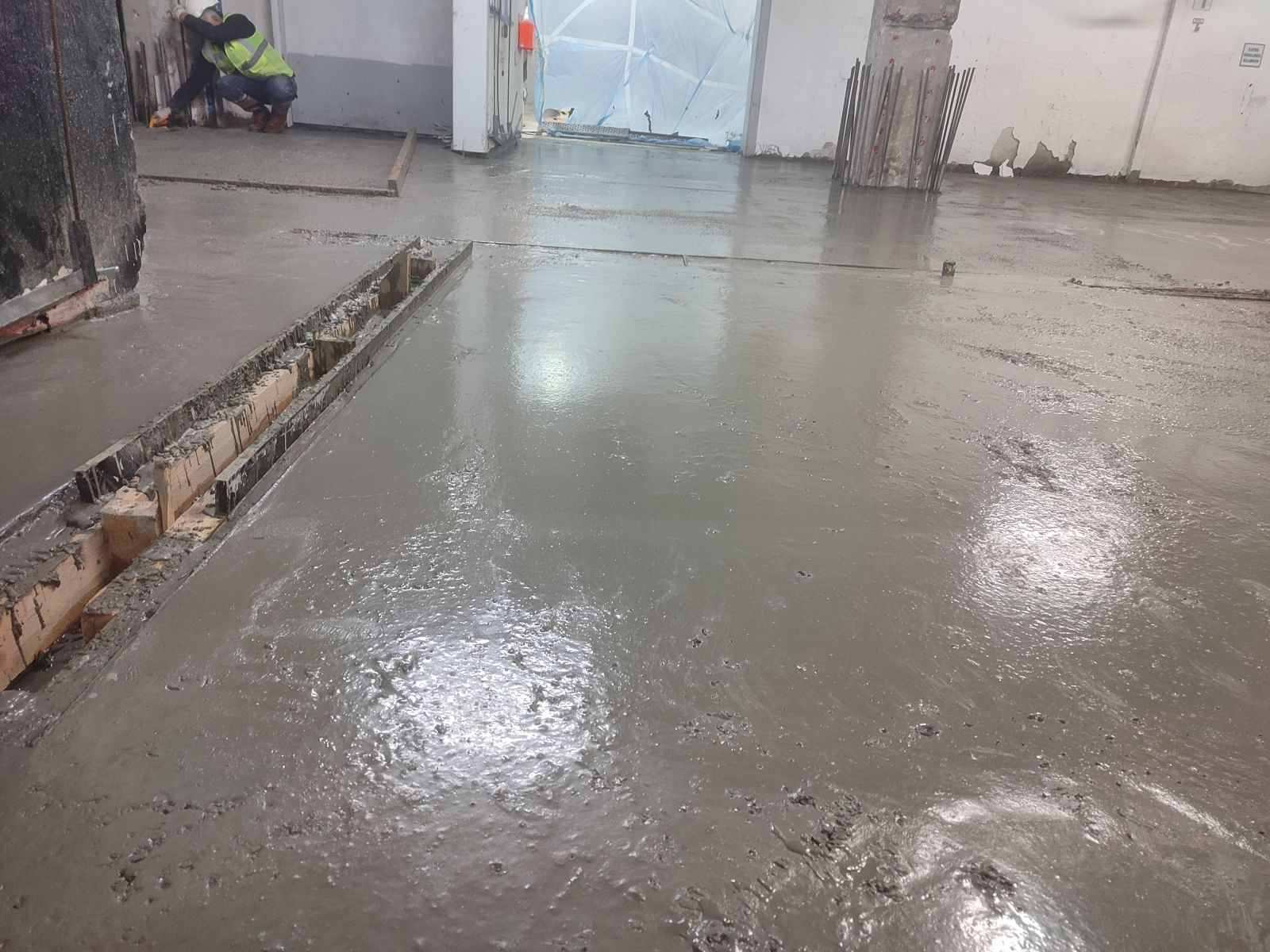
Formwork and Pouring: Steel or wooden formwork is placed around the new reinforcement system. Typically, high-strength and highly workable (self-consolidating) concrete is poured to facilitate placement, completing the process.
-
Curing: Watering and curing processes are carried out to prevent shrinkage cracks in the concrete and to ensure it reaches its target strength.
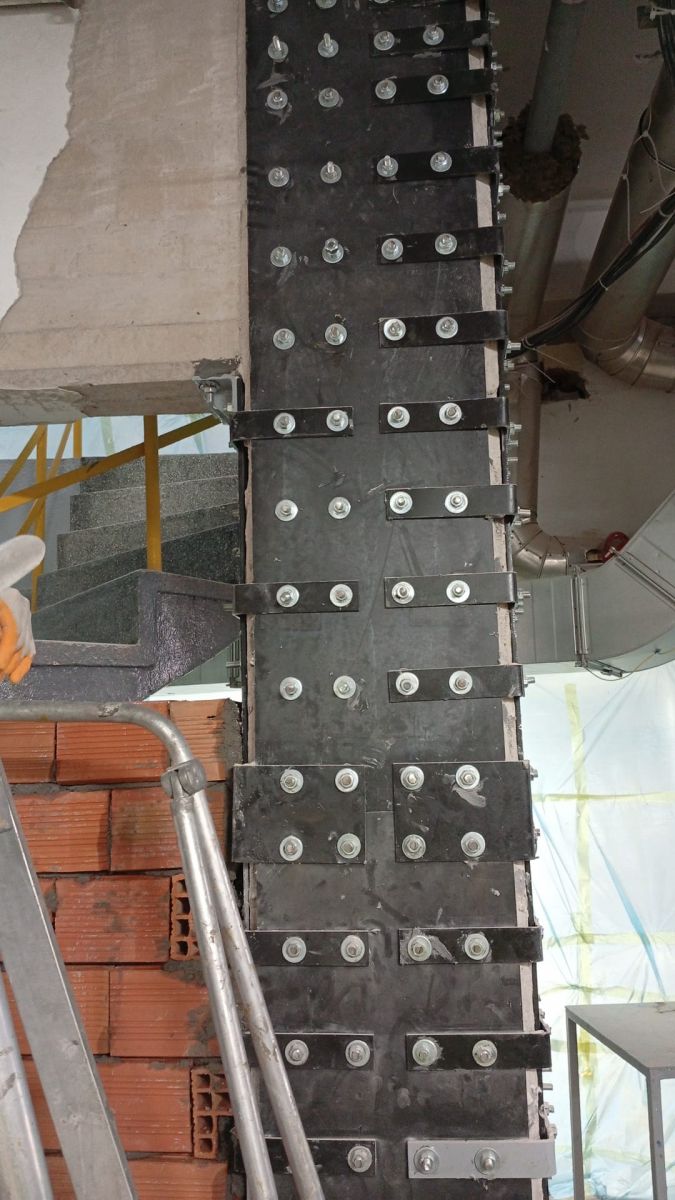
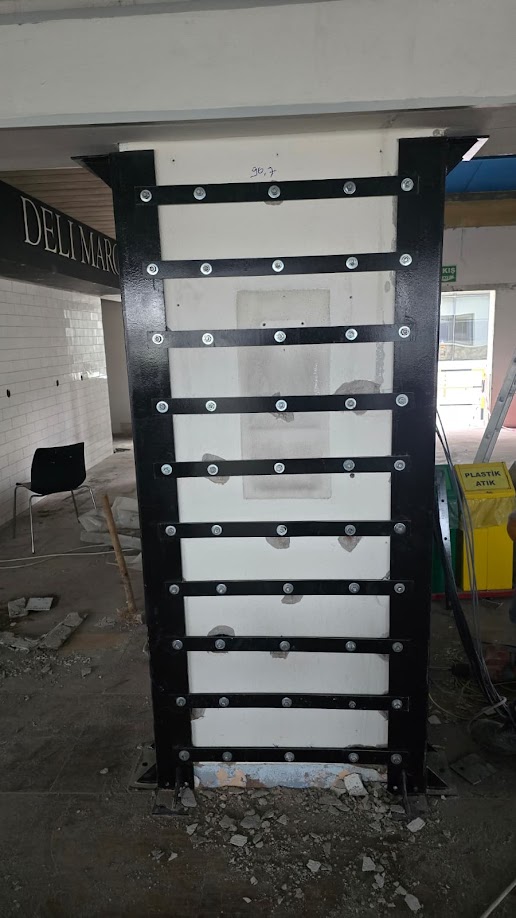
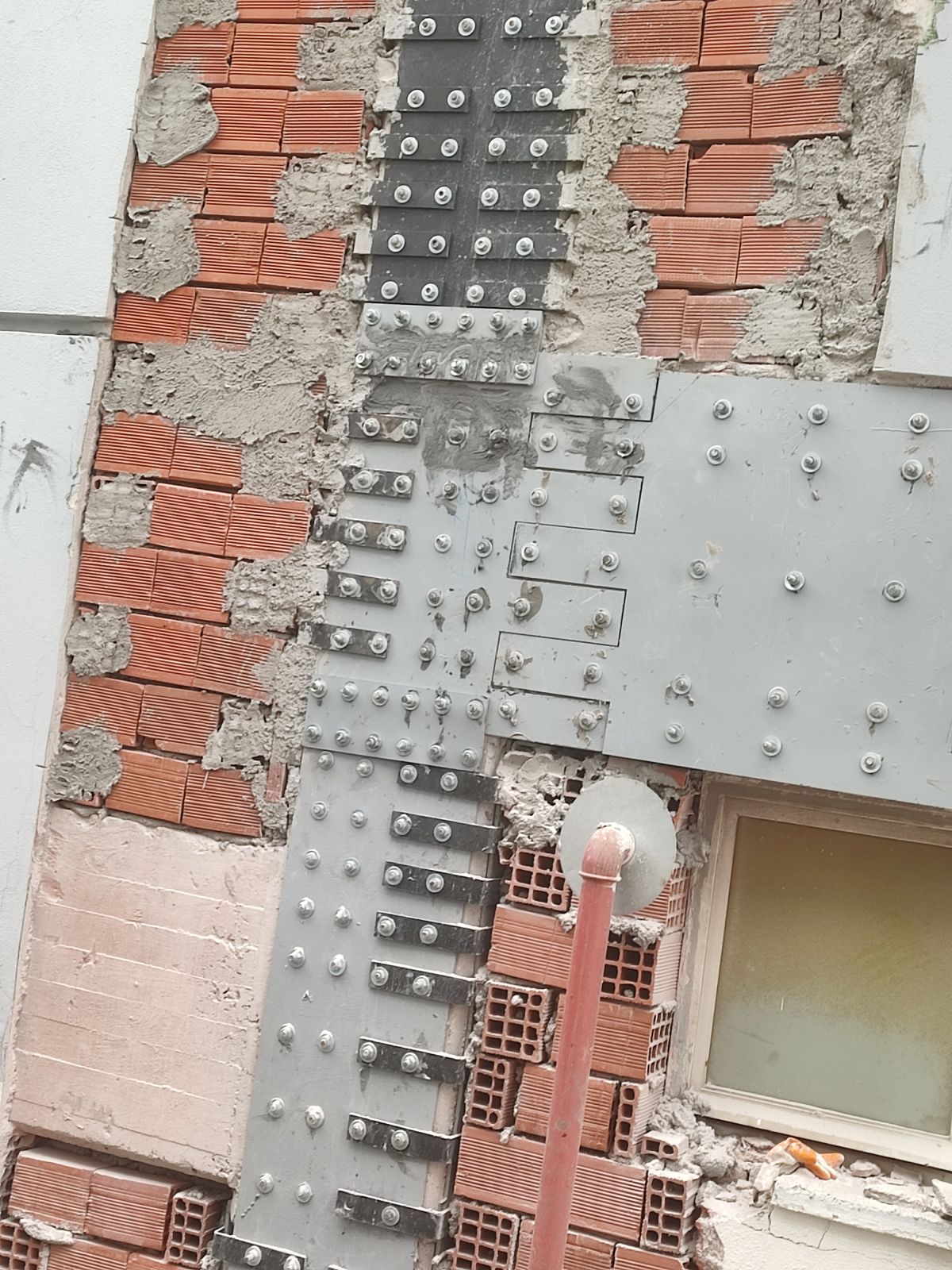
2. Steel Jacketing / Steel Frame Addition
It is applied to provide ductility and shear strength to the structure without adding excessively large weight. Its installation is much faster compared to reinforced concrete.
-
Surface Preparation and Measurement: The plaster on the corners of the columns to be treated is scraped off. The column corners are chamfered (smoothed) to ensure the steel elements fit perfectly against the concrete.
-
Manufacturing and Placement of Steel Elements: Steel angles or steel profiles to be integrated into the system with cross-sections suitable for the design are prefabricated in the workshop, brought to the site, and placed at the column/beam corners.
-
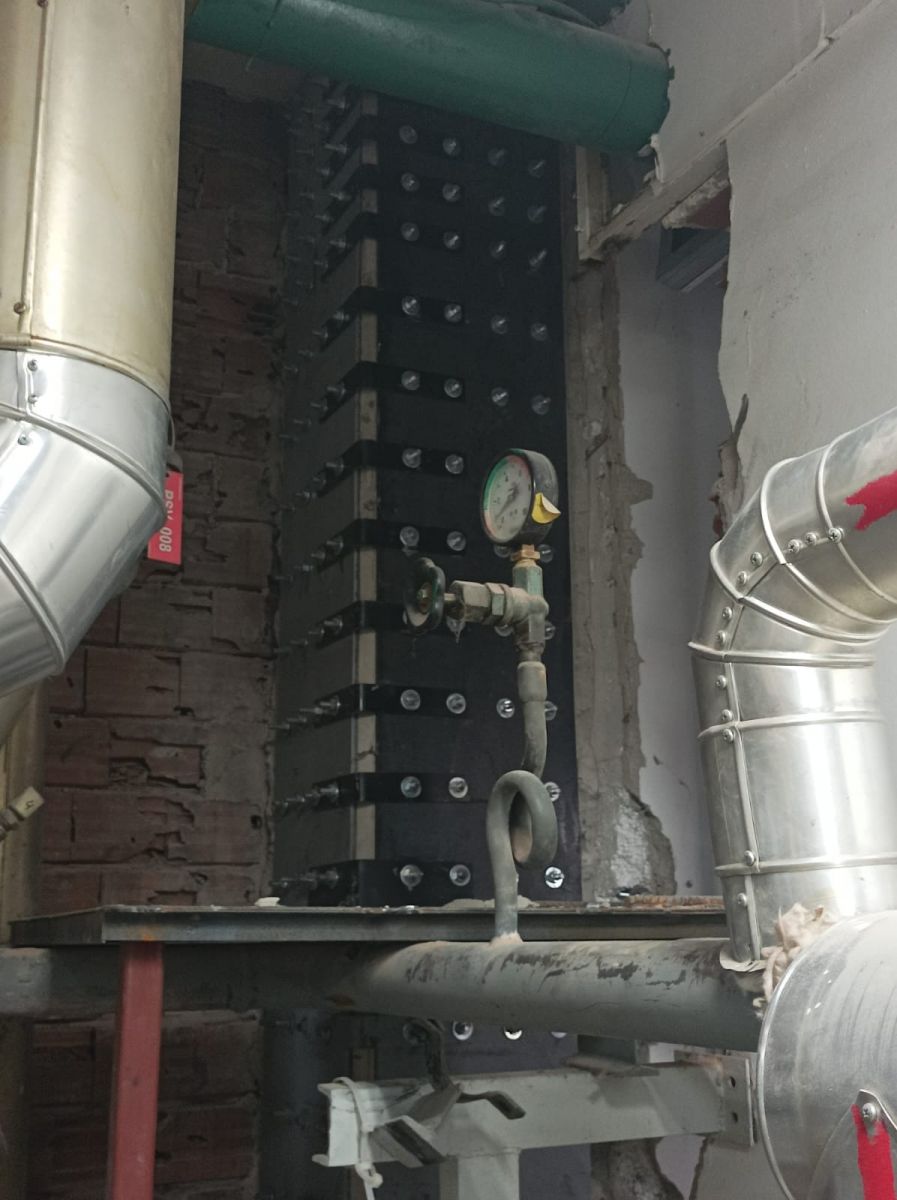
Mechanical and Chemical Anchorage: The steel profiles are anchored to the existing reinforced concrete element using epoxy (chemical dowels) and chemical studs/bolts.
-
Welding of Transverse Connections (Batten Plates): Transverse steel plates are used to connect the longitudinally placed profiles together. These plates are typically heated and expanded before being welded to the profiles. As they cool, they shrink, applying active confinement pressure to the existing concrete.
-
Filling the Voids: The millimetric gaps remaining between the steel jacket and the existing concrete are completely filled by injecting high-strength, non-shrink concrete (grout).
3. Carbon Fiber Reinforced Polymer (FRP) Retrofitting
This method, which uses advanced technology composite materials, does not enlarge the cross-section of the elements or add extra weight, but it tremendously increases shear capacity and ductility.
-
Surface Repair and Chamfering: The paint and plaster layers on the concrete surface are completely removed by grinding. Weak and spalled areas are repaired with epoxy-based repair mortars. To prevent the carbon fabric from tearing due to stress concentration at the corners, a radius must be created at the column or beam corners (chamfering) to round them off.
-
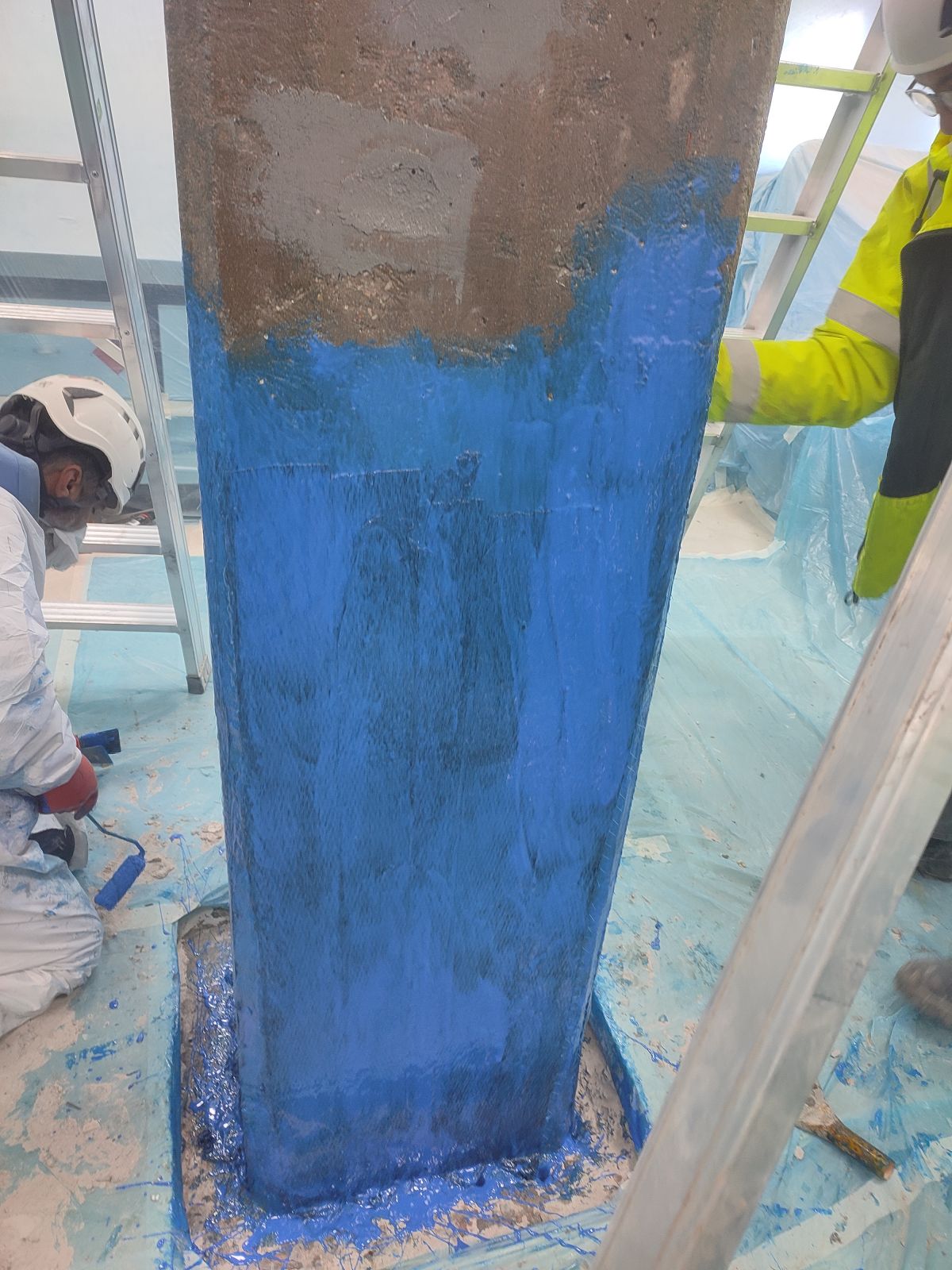
Primer Application: A special epoxy primer, which will enable the composite system to bond to the concrete, is applied to the dust- and moisture-free concrete surface and left to dry.
-
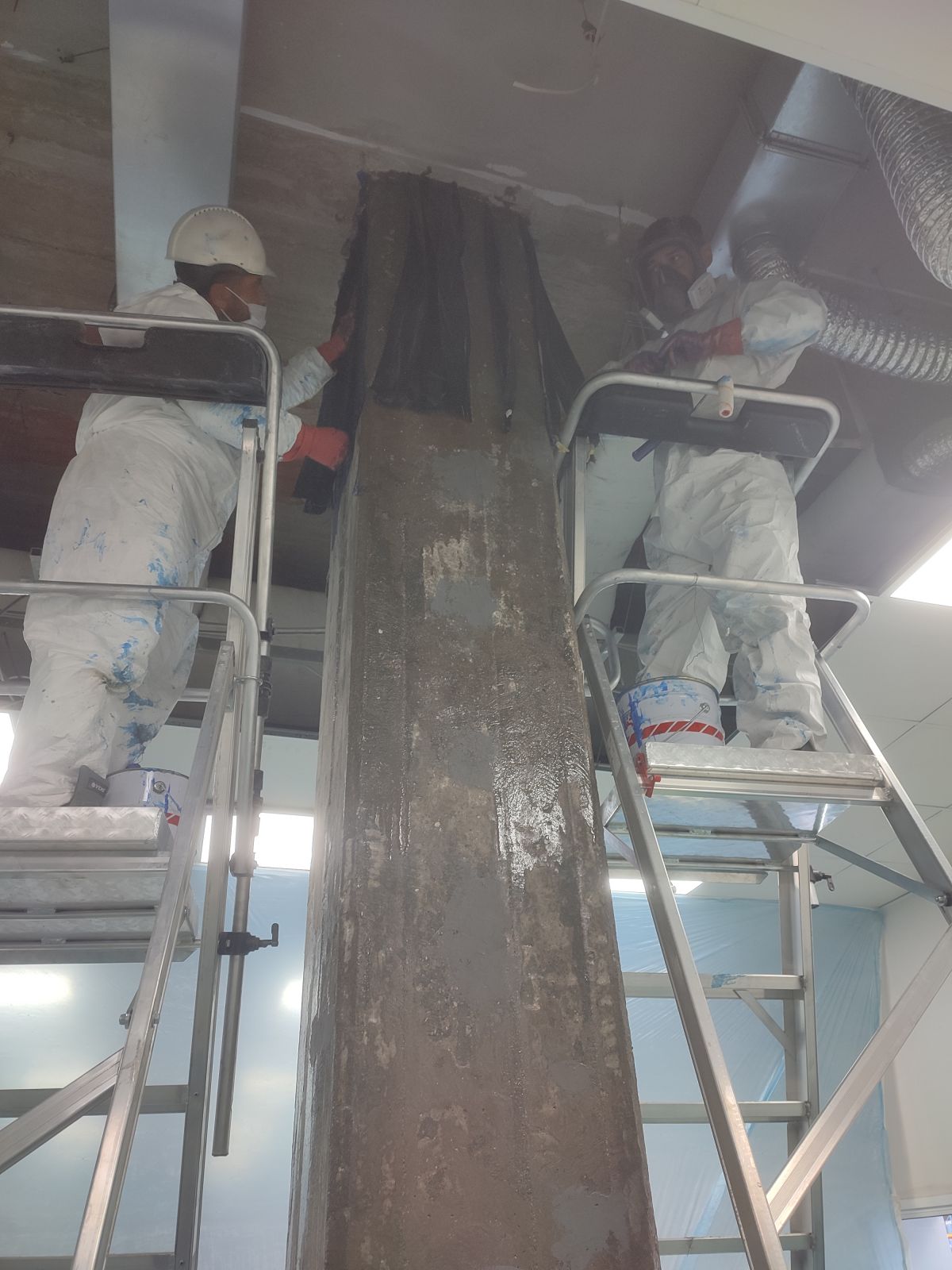
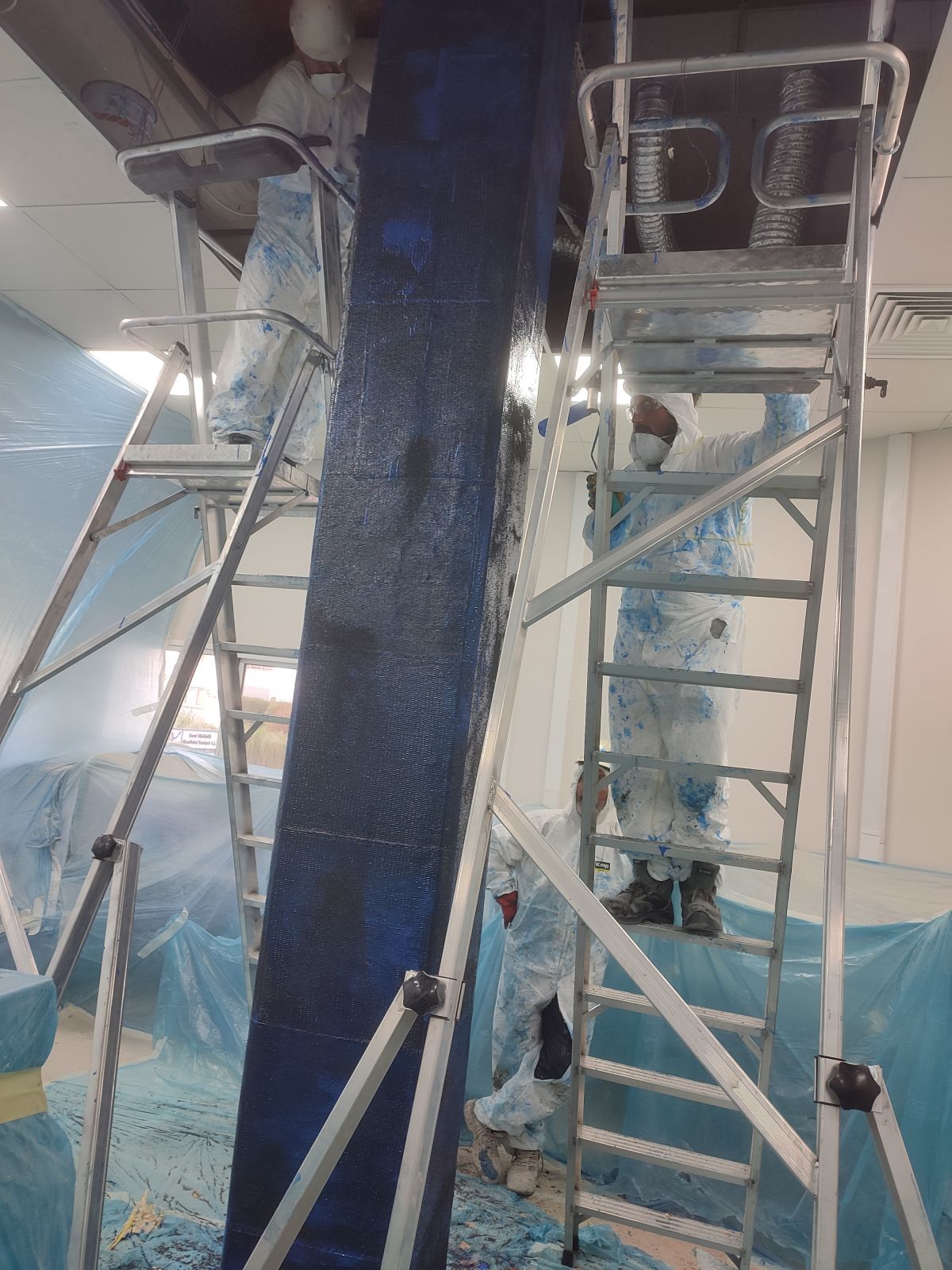
Application of Structural Epoxy Resin: High tensile strength epoxy resin, which will secure the carbon fibers to the concrete, is applied homogeneously and generously over the primer using a roller.
-
Wrapping the Carbon Fabric: Carbon fiber fabrics cut in the direction determined by the design are stretched and wrapped onto the surface. Using special ribbed plastic rollers, the fabric is rolled over to expel any trapped air bubbles and ensure the epoxy penetrates every part of the fibers.
-
Topcoat Protection: Since carbon fibers are sensitive to UV rays, fire, and physical impacts, the system is covered with a fire-retardant or protective plaster/paint after the epoxy has fully cured.
Address: Fahrettin Altay Mh. 65/13 Sk. No:31/1 Karabağlar / İzmir
Phone: +90 232 278 10 50
info@atakkompozit.com
Copyright © 2024 | All rights reserved.
iz ajans